
Navigating the complex world of risk management just got a lot more rewarding. With government grants and support programs increasingly geared toward professionals like you, there’s never been a better time to explore funding opportunities that can elevate your projects and career.
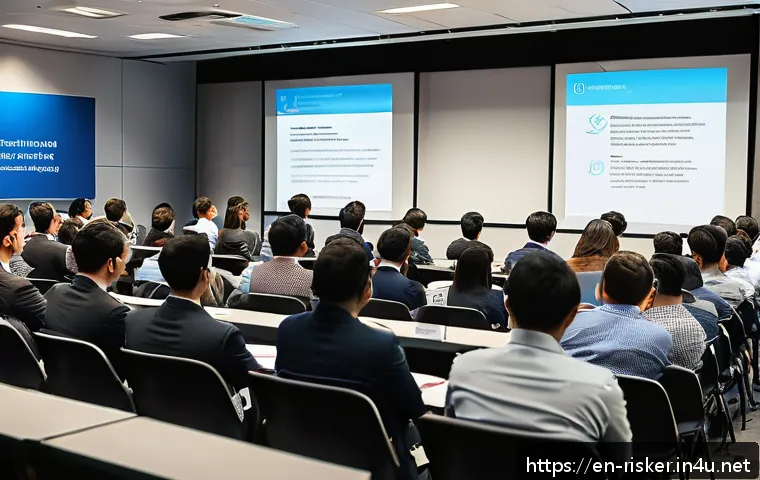
Whether you’re aiming to implement innovative risk solutions or expand your expertise, tapping into these resources can provide a crucial boost. In this post, I’ll share practical insights on unlocking these benefits, helping you stay ahead in a rapidly evolving landscape.
Let’s dive into how you can leverage these tailored programs to maximize your impact and growth.
Unlocking Funding Options for Risk Management Innovations
Government Grants Tailored for Risk Professionals
Navigating the maze of government grants can feel overwhelming, but the reality is that many programs are specifically designed to support risk management professionals.
These grants often target projects that introduce cutting-edge technologies, data analytics, or novel methodologies to mitigate risks across various industries.
From cybersecurity enhancements to environmental risk assessments, the scope is broad and promising. What’s crucial is to align your project goals with the grant’s objectives and demonstrate tangible impact.
Personally, I found that carefully studying grant announcements and reaching out to program officers for clarity made a huge difference in crafting a successful application.
Don’t hesitate to ask questions—these officials want to see applicants succeed just as much as you do.
Matching Funds and Collaborative Opportunities
Many funding programs require or encourage applicants to provide matching funds or partner with other organizations. This aspect might initially seem like a barrier, but it’s actually an opportunity to expand your network and share expertise.
For example, collaborating with a university research team or a tech startup can not only fulfill grant criteria but also enrich the project’s outcomes.
When I teamed up with a local university for a risk modeling project, the synergy elevated both the research quality and the funding prospects. Exploring public-private partnerships can also open doors to additional resources, including in-kind contributions like software licenses or specialized equipment.
Tips for Crafting a Winning Proposal
Writing a grant proposal is both an art and a science. From my experience, clarity and storytelling are key. You want to communicate complex risk management concepts in a way that’s accessible to reviewers who might not be experts in your niche.
Break down your objectives into clear milestones and emphasize the broader societal or economic benefits of your project. Including preliminary data or pilot results can strengthen your case.
Also, pay close attention to formatting and deadlines—small mistakes can derail even the most innovative ideas. Consider seeking feedback from colleagues or mentors before submission; fresh eyes often catch overlooked issues.
Developing Skills with Specialized Training Support
Accessing Subsidized Training Programs
One of the lesser-known ways to boost your risk management career is through government-subsidized training programs. These initiatives often cover a substantial portion of tuition or course fees for certifications and workshops in risk assessment, compliance, or crisis management.
I took advantage of a state-sponsored cybersecurity risk course that covered 70% of the cost, making it affordable to upgrade my credentials. These programs not only enhance your skill set but also demonstrate to employers and clients your commitment to staying current with industry standards.
Leveraging Online Learning Platforms with Funding
With the rise of e-learning, many governments now partner with online platforms to provide vouchers or discounts for courses relevant to risk professionals.
These flexible options let you balance work and study without sacrificing income. When I used one of these vouchers, I was able to complete a specialized data analytics course in my own time, which directly improved my ability to analyze risk trends.
Don’t overlook these digital learning opportunities—they’re an efficient and cost-effective way to grow your expertise.
Building a Professional Development Plan
Strategically planning your professional growth ensures you maximize available support. Start by assessing your current skills and identifying gaps that could be filled by funded programs.
Create a roadmap that aligns with your career aspirations, whether it’s moving into a leadership role or mastering a niche risk domain. I found that setting clear, time-bound goals helped me stay motivated and track progress.
Additionally, documenting your training and certifications can enhance your portfolio when applying for grants or new positions.
Networking and Community Engagement Grants
Funding for Conferences and Workshops
Attending industry conferences and workshops is vital for staying connected and learning about emerging risks. Many grant programs allocate funds specifically for travel and registration costs, especially for early-career professionals or those from underrepresented groups.
I recall applying for a community engagement grant that covered my expenses for a major risk management symposium, which turned out to be a game-changer for networking and knowledge exchange.
These experiences can lead to collaborations and new project ideas that further your career.
Supporting Local Risk Awareness Initiatives
Governments often support projects that increase public understanding of risk-related issues. This might involve educational campaigns, community workshops, or developing informational materials.
If you have ideas for raising awareness—say, on natural disaster preparedness or financial risk literacy—these grants can provide the seed funding to get started.
I volunteered for a local initiative funded this way, and seeing the tangible impact on community resilience was incredibly rewarding.
Engaging with Professional Associations
Many professional associations receive government backing to support member development and advocacy. Joining and actively participating in these groups can open doors to exclusive funding opportunities or collaborative projects.
For example, some associations offer mini-grants for members to pilot new risk management tools or organize regional events. Being part of these communities also enhances your credibility and visibility in the field.
Incentives for Technology Adoption in Risk Management
Subsidies for Implementing Risk Software
Adopting new technology can be costly, but several government schemes provide subsidies or tax credits for investing in risk management software. These incentives aim to accelerate digital transformation and improve organizational resilience.
When my team integrated an AI-driven risk analytics platform, we qualified for a regional tech adoption grant that eased the financial burden. Besides financial relief, such support often comes with expert consultations, ensuring you get the most out of your investment.
Encouraging Innovation through Pilot Funding
Pilot projects testing innovative risk solutions are prime candidates for government funding. These grants focus on proof-of-concept stages, allowing you to demonstrate feasibility without full-scale rollout risks.
I witnessed a colleague successfully secure pilot funding for a blockchain-based supply chain risk project, which later attracted private investors. This type of support is invaluable for pushing boundaries and showcasing novel approaches.
Tax Benefits for Risk Management Investments
Beyond direct grants, tax incentives can significantly reduce the cost of risk management initiatives. Various jurisdictions offer deductions or credits for expenses related to risk assessment, compliance upgrades, or employee training.
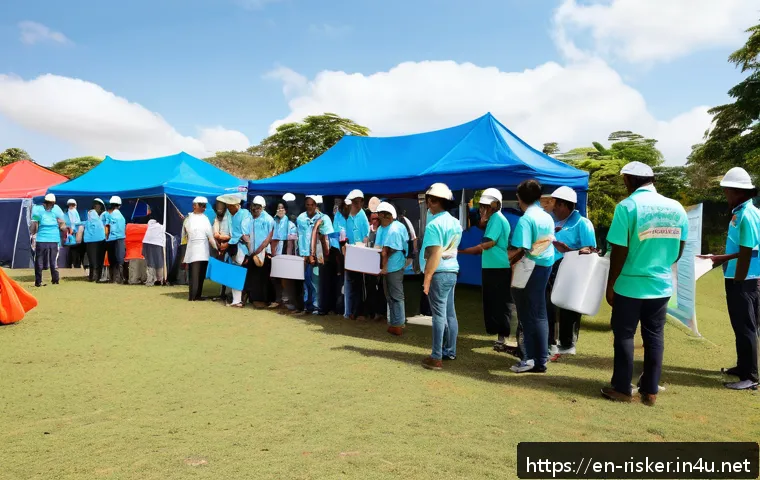
It’s worth consulting with a tax professional to identify applicable benefits. Leveraging these incentives can improve project ROI and free up resources for further innovation.
Strategic Use of Risk Management Certification Supports
Funding Assistance for Certification Exams
Obtaining professional certifications like CRM (Certified Risk Manager) or FRM (Financial Risk Manager) can be costly. Fortunately, some government programs reimburse exam fees or provide scholarships for candidates.
When I pursued the FRM certification, a regional workforce development initiative covered a significant portion of my expenses, making the process much more affordable.
These programs often require proof of intent to work in the risk field, so be prepared to demonstrate your commitment.
Mentorship and Career Coaching Grants
Career advancement isn’t just about technical skills; mentorship and coaching can accelerate growth. Certain grants support mentorship programs or one-on-one coaching for risk professionals.
I participated in a government-sponsored mentorship program that paired me with a senior risk consultant, providing invaluable guidance and expanding my professional network.
Such programs often include funding to subsidize coaching sessions, making them accessible.
Continuing Education Support for Certification Maintenance
Maintaining certifications typically involves ongoing education, which can be expensive. Some funding programs assist with these costs, encouraging professionals to keep their credentials current.
I found that applying for these supports helped me stay on top of evolving standards without financial strain. Being proactive about renewal requirements and available funding ensures you remain competitive in the job market.
Summary of Key Government Support Programs for Risk Professionals
| Program Type | Purpose | Eligibility | Typical Benefits | Application Tips |
|---|---|---|---|---|
| Innovation Grants | Support for new risk management technologies and methods | Professionals and organizations with innovative projects | Funding for project costs, expert consultations | Align project goals with grant priorities; contact program officers |
| Training Subsidies | Reduce costs of certification and skill development | Individuals seeking professional development | Tuition coverage, course vouchers | Identify skill gaps; plan professional growth roadmap |
| Networking Grants | Cover expenses for conferences and community initiatives | Early-career professionals, underrepresented groups | Travel, registration fees | Apply early; highlight community impact |
| Technology Adoption Incentives | Encourage investment in risk management software and tools | Organizations investing in new technologies | Subsidies, tax credits | Document expenses carefully; seek expert advice |
| Certification Support | Assist with costs of exams, maintenance, and coaching | Certified risk professionals | Exam fee reimbursement, mentorship funding | Demonstrate career commitment; maintain ongoing education |
Maximizing Impact Through Strategic Grant Utilization
Integrating Funding into Long-Term Planning
Securing a grant is just the beginning; integrating the resources effectively into your projects requires foresight and management. From my experience, developing a detailed budget and timeline aligned with grant objectives helps keep projects on track and showcases accountability to funders.
It’s also beneficial to build in regular progress reports and impact assessments, which not only satisfy grant requirements but also provide insights for continuous improvement.
Building Relationships with Funding Bodies
Grant officers and program administrators are valuable allies. Building a professional rapport through timely communication and transparency can open doors to future funding and support.
I’ve found that attending informational webinars and networking events hosted by funding agencies deepens understanding of their priorities and fosters trust.
Treating these relationships as partnerships rather than mere transactions pays dividends over time.
Scaling Success Beyond Initial Funding
Once you’ve demonstrated success with initial grant-supported projects, you’re in a stronger position to attract additional funding from other sources, including private investors or international programs.
Documenting outcomes with data and testimonials creates compelling narratives for subsequent proposals. I’ve seen colleagues leverage pilot project results to secure larger-scale investments, transforming small initiatives into impactful industry standards.
Leveraging Emerging Trends in Risk Management Funding
Focus on Sustainability and Climate Resilience
There’s a growing emphasis on funding projects that address environmental risks and sustainability challenges. Programs targeting climate resilience, disaster preparedness, and sustainable business practices are becoming more prevalent.
Aligning your risk management initiatives with these themes can increase funding chances and relevance. Personally, shifting my project focus toward climate risk opened access to a broader range of grants and collaborative networks.
Embracing Digital Transformation Incentives
Digitalization is reshaping risk management, and funding bodies recognize this shift by supporting AI, machine learning, and big data projects. Applying for these incentives requires demonstrating how digital tools improve risk detection, mitigation, or reporting.
Integrating these technologies not only modernizes your approach but also positions you as a forward-thinking professional in a competitive field.
Addressing Workforce Development and Diversity
Some grants prioritize programs that promote workforce diversity and skill development in underserved communities. If your project includes mentorship, training, or outreach components aimed at expanding access to risk management careers, highlight these aspects.
I found that emphasizing diversity and inclusion in proposals resonated strongly with reviewers, adding a meaningful dimension beyond technical innovation.
In Conclusion
Securing funding for risk management innovations opens doors to growth, collaboration, and impactful change. By understanding available grants and training opportunities, professionals can strategically enhance their skills and projects. Embracing emerging trends and building strong relationships with funding bodies are key to long-term success in this dynamic field.
Helpful Information to Keep in Mind
1. Research thoroughly to find grants that align closely with your project goals and industry focus.
2. Collaborate with partners such as universities or startups to strengthen applications and expand resources.
3. Take advantage of government-subsidized training and online learning vouchers to boost your expertise affordably.
4. Attend conferences and engage in community initiatives supported by networking grants to grow your professional circle.
5. Stay updated on tax incentives and technology subsidies that can reduce project costs and encourage innovation.
Key Takeaways for Effective Funding Utilization
Understanding the variety of funding options available is essential for risk management professionals aiming to innovate and excel. Aligning your project objectives with grant priorities, maintaining clear communication with funding agencies, and planning long-term integration of resources will maximize impact. Additionally, focusing on sustainability, digital transformation, and diversity can enhance your proposals’ appeal and relevance in today’s evolving landscape.
Frequently Asked Questions (FAQ) 📖
Q: What types of government grants are available for risk management professionals?
A: Government grants for risk management professionals often focus on innovation, technology adoption, and workforce development. Common programs support projects that enhance risk assessment tools, implement cybersecurity measures, or develop training initiatives to improve skills in risk mitigation.
Depending on your location, grants may come from federal agencies, local governments, or specialized industry funds. It’s a good idea to check official government websites and grant databases regularly, as eligibility and available funds can vary widely.
Q: How can I increase my chances of securing funding for my risk management project?
A: To boost your chances, start by thoroughly understanding the grant requirements and tailoring your proposal accordingly. Highlight how your project addresses current challenges in risk management and demonstrate measurable outcomes, such as improved safety metrics or cost savings.
Including a detailed budget and a clear implementation plan shows professionalism. Additionally, leveraging past successes or certifications can build credibility.
Don’t hesitate to seek feedback from peers or grant advisors before submission—this can help refine your application and avoid common pitfalls.
Q: Are there ongoing support programs beyond initial grant funding to help sustain risk management initiatives?
A: Yes, many governments and industry organizations offer follow-up support programs that provide technical assistance, training workshops, or networking opportunities after the initial grant period.
These programs aim to help professionals sustain and scale their projects, ensuring long-term impact. Some initiatives include mentorship, access to expert consultations, or opportunities to participate in pilot programs.
Staying engaged with these networks can also open doors to future funding rounds and collaborations, keeping your risk management efforts dynamic and well-supported.