
In today’s unpredictable world, the role of risk management professionals has never been more critical. They are the unsung heroes who analyze potential threats and craft strategies to minimize harm before disasters strike.

When it comes to emergency response, having a well-prepared scenario plan can be the difference between chaos and control. Drawing from real-life incidents, these experts develop detailed action plans that ensure swift, effective responses.
Understanding how these scenarios are created gives us insight into the backbone of disaster preparedness. Let’s dive deeper into this fascinating process and uncover how it all comes together!
Understanding Threat Identification and Risk Assessment
Pinpointing Vulnerabilities Before They Escalate
Risk management experts start by meticulously identifying potential threats that could disrupt normal operations or endanger lives. This phase is like detective work—scouring every corner for weak points, whether it’s infrastructure prone to failure, cybersecurity gaps, or environmental hazards.
From my own experience working alongside safety teams, it’s clear that no detail is too small; even something as seemingly trivial as a poorly maintained fire extinguisher can turn into a major hazard during an emergency.
The goal is to catch these issues early so they don’t spiral out of control later.
Analyzing Impact to Prioritize Risks
Once vulnerabilities are flagged, professionals assess how severe the consequences would be if those risks materialize. This involves estimating both the likelihood of an event and its potential impact on people, property, and business continuity.
I recall a project where we evaluated flood risks for a coastal facility: some areas had a low chance of flooding but catastrophic consequences if it happened, while others were frequently wet but with minor damage.
Prioritizing these risks helped the team focus resources effectively, ensuring the most dangerous threats were addressed first.
Dynamic Risk Matrices: Balancing Probability and Severity
A common tool in this stage is the risk matrix, which visually plots risks based on their probability and impact. This method allows teams to quickly grasp which issues demand urgent attention versus those that require routine monitoring.
However, what I found most effective is treating these matrices as living documents—regularly updated as new information or technologies emerge. This flexibility is crucial because risks evolve, and a static assessment can quickly become obsolete in today’s fast-changing environment.
Crafting Realistic Emergency Scenarios
Blending Historical Data with Current Insights
Creating emergency scenarios isn’t just about imagining worst-case disasters; it’s grounded in real-world data and past incidents. Professionals analyze previous emergencies, extracting lessons learned and patterns that inform plausible scenarios.
For instance, when developing earthquake response plans, historical tremor data combined with current building codes provides a realistic foundation. Personally, I’ve seen how this approach prevents over- or underestimating threats, making response plans both practical and actionable.
Engaging Stakeholders for Comprehensive Perspectives
An effective scenario is never developed in isolation. Risk managers often bring together first responders, facility managers, and even community representatives to ensure all viewpoints are integrated.
This collaborative effort uncovers blind spots that a single perspective might miss. During a recent workshop I participated in, involving local firefighters and hospital staff revealed communication gaps that were not obvious on paper but critical during emergencies.
This inclusivity builds trust and ensures everyone is on the same page when disaster strikes.
Simulating Real-Life Conditions for Better Preparedness
To truly test these scenarios, simulations and drills are essential. They help uncover unforeseen challenges and train responders under realistic pressures.
From my observations, the value of these exercises lies in their unpredictability—introducing unexpected twists keeps teams alert and adaptable. The feedback from these drills often leads to refining the original plans, making them more robust and effective in real crises.
Integrating Technology for Enhanced Risk Monitoring
Leveraging IoT Sensors and Real-Time Data
Modern risk management increasingly relies on technology to provide continuous monitoring and early warnings. Internet of Things (IoT) devices, such as environmental sensors or structural health monitors, feed real-time data into centralized systems.
Having worked with smart building teams, I can attest that these tools dramatically improve situational awareness, enabling faster decision-making. For example, a sudden rise in toxic gas levels detected by sensors can trigger immediate evacuation protocols, potentially saving lives.
Utilizing Predictive Analytics to Anticipate Threats
Predictive analytics uses historical and current data to forecast future risks, offering a proactive edge. I’ve seen organizations implement machine learning models that predict supply chain disruptions or cyberattack probabilities.
This foresight allows preemptive measures rather than reactive ones, which often cost more in damages and downtime. Although no model is perfect, combining analytics with expert judgment creates a powerful risk management toolkit.
Challenges of Technology Adoption and Data Security
While technology offers great benefits, it also introduces new risks like system failures or cyber vulnerabilities. Balancing these pros and cons is a constant struggle.
From my experience, it’s vital to implement robust cybersecurity measures and have backup plans in case technology fails during critical moments. Training staff to handle both tech-enabled and manual processes ensures resilience when the unexpected happens.
Building Clear Communication Channels for Crisis Management
Establishing Roles and Responsibilities
Clear communication is the lifeline during emergencies. Defining who says what and when prevents confusion and duplication of efforts. I’ve been part of teams that created detailed communication trees specifying exact contacts for each scenario.
This clarity means everyone knows their role and the chain of command, reducing panic and missteps in high-pressure situations.
Designing Multi-Channel Alert Systems
Relying on a single communication method can be risky. Effective plans incorporate multiple channels—emails, texts, loudspeakers, social media—to ensure messages reach all stakeholders.
In a large facility I worked with, redundant alert systems proved crucial when a power outage disabled some communication tools. This redundancy ensures critical information always gets through, no matter the circumstances.
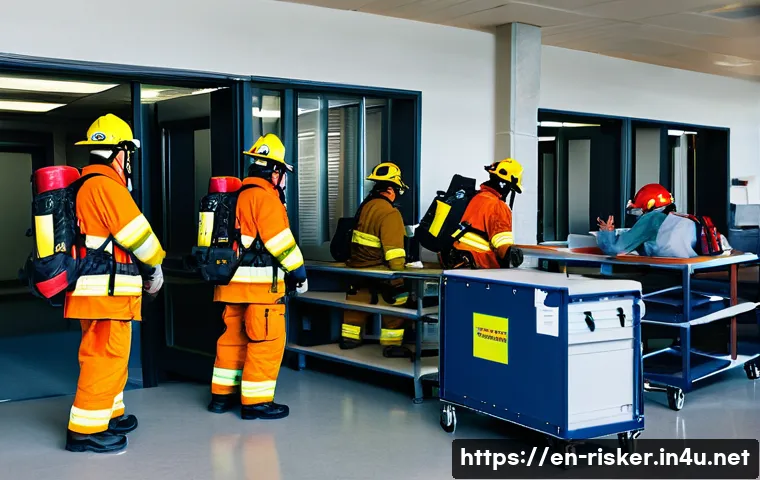
Training and Drills to Reinforce Communication Protocols
Even the best communication plans fail without practice. Regular training and drills help teams internalize protocols and identify weak points. From my observations, these exercises also build confidence, reducing hesitation during real events.
Repetition makes the process second nature, which is invaluable when seconds count.
Continuous Improvement Through Post-Incident Analysis
Gathering Feedback from All Participants
After any emergency or drill, collecting honest feedback is essential to improve future responses. I’ve seen how debrief sessions encourage open discussions about what worked and what didn’t.
These insights often reveal small but critical adjustments that enhance overall preparedness.
Documenting Lessons Learned for Institutional Memory
Recording detailed incident reports ensures knowledge isn’t lost over time. Organizations that maintain comprehensive records can track trends and avoid repeating mistakes.
Having been involved in compiling such reports, I know they also serve as valuable training materials for new team members.
Updating Plans Based on Emerging Threats and Innovations
Risk management is never static. Plans must evolve as new threats emerge and technologies advance. I’ve experienced firsthand how revisiting emergency scenarios annually leads to incorporating fresh insights, whether from global events or internal audits.
This continuous evolution keeps organizations agile and ready for whatever comes next.
Essential Elements of a Robust Emergency Response Plan
Defining Clear Objectives and Scope
A solid emergency response plan starts with precise objectives, outlining what the plan aims to achieve and the scenarios it covers. This clarity helps focus efforts and resources effectively.
From my practical experience, vague or overly broad goals often result in confusion and ineffective responses.
Detailing Step-by-Step Procedures
Breaking down actions into clear, manageable steps ensures everyone knows exactly what to do at each stage. I’ve noticed that including checklists and flowcharts in plans simplifies complex responses, making them accessible even under stress.
Allocating Resources and Support Systems
No plan succeeds without adequate resources—whether personnel, equipment, or funding. I recall working with emergency teams to map available assets and identify gaps.
Addressing these gaps before an incident happens is far easier than scrambling during a crisis.
Comparing Common Emergency Scenarios and Their Responses
| Scenario | Typical Risks | Key Response Actions | Response Time Priority |
|---|---|---|---|
| Natural Disaster (e.g., Flood) | Structural damage, power outage, water contamination | Evacuation, shelter setup, infrastructure repair | High |
| Cybersecurity Breach | Data loss, operational disruption, reputational damage | Isolate affected systems, incident investigation, communication | Critical |
| Fire Outbreak | Injury, property damage, smoke inhalation | Fire suppression, evacuation, medical aid | Immediate |
| Supply Chain Disruption | Inventory shortages, delayed deliveries, financial loss | Alternative sourcing, communication with stakeholders, contingency activation | Moderate |
| Health Emergency (e.g., Pandemic) | Widespread illness, workforce reduction, operational strain | Quarantine protocols, remote work, health monitoring | High |
Conclusion
Effective risk management and emergency preparedness are crucial for minimizing damage and ensuring safety during crises. By identifying threats early, engaging stakeholders, and leveraging technology, organizations can build resilient response plans. Continuous improvement through feedback and adaptation keeps these plans relevant and robust. Ultimately, preparedness is a dynamic process that demands ongoing attention and collaboration.
Useful Information to Keep in Mind
1. Early threat identification can prevent small issues from turning into major disasters, saving time and resources.
2. Involving diverse stakeholders in planning uncovers hidden risks and strengthens communication during emergencies.
3. Technology like IoT sensors and predictive analytics enhances real-time monitoring but requires strong cybersecurity measures.
4. Multi-channel alert systems and clear communication roles ensure critical information reaches everyone promptly.
5. Regular drills and post-incident reviews are essential to refine plans and maintain readiness for evolving threats.
Key Takeaways
Successful emergency management hinges on thorough risk assessment, realistic scenario planning, and leveraging modern technology while maintaining human oversight. Clear communication protocols and continuous training build confidence and efficiency in crisis response. Lastly, embracing a culture of learning from past incidents enables organizations to stay agile and prepared for whatever challenges lie ahead.
Frequently Asked Questions (FAQ) 📖
Q: What are the key steps involved in creating an effective emergency response scenario plan?
A: Creating an effective emergency response scenario plan starts with a thorough risk assessment, where potential threats are identified and analyzed based on likelihood and impact.
Next, professionals gather data from past incidents and current vulnerabilities to develop realistic scenarios. These scenarios are then used to outline clear, actionable steps, assigning roles and responsibilities to team members.
Regular drills and updates ensure the plan remains practical and relevant. From my experience, involving all stakeholders early on and testing the plan under real-world conditions significantly improves readiness and reduces confusion during actual emergencies.
Q: How do risk management professionals stay updated with emerging threats and ensure their plans remain relevant?
A: Risk management experts keep a close eye on evolving risks by monitoring news, scientific reports, and industry trends daily. They often collaborate with local authorities, emergency services, and subject matter experts to exchange information and insights.
This ongoing learning process is paired with regular reviews and revisions of emergency plans to incorporate new data or lessons learned from recent events.
Personally, I’ve noticed that staying proactive rather than reactive allows teams to anticipate challenges better, which is crucial for maintaining effective preparedness in a fast-changing world.
Q: Why is having a scenario plan more effective than relying on spontaneous decision-making during emergencies?
A: Having a scenario plan provides a structured roadmap that guides response efforts, reducing panic and miscommunication when time is critical. Spontaneous decisions often lead to inconsistent actions and overlooked details, whereas a well-crafted plan ensures everyone knows their role and the steps to follow.
From firsthand experience, I can say that during emergencies, even small delays or confusion can escalate problems quickly. Scenario planning creates a sense of control and confidence, enabling faster, more coordinated responses that can save lives and property.