
When it comes to mastering risk management, having the right tools and materials at hand makes all the difference. Whether you’re a student, a professional, or simply curious about the field, preparing properly can turn complex concepts into practical skills.
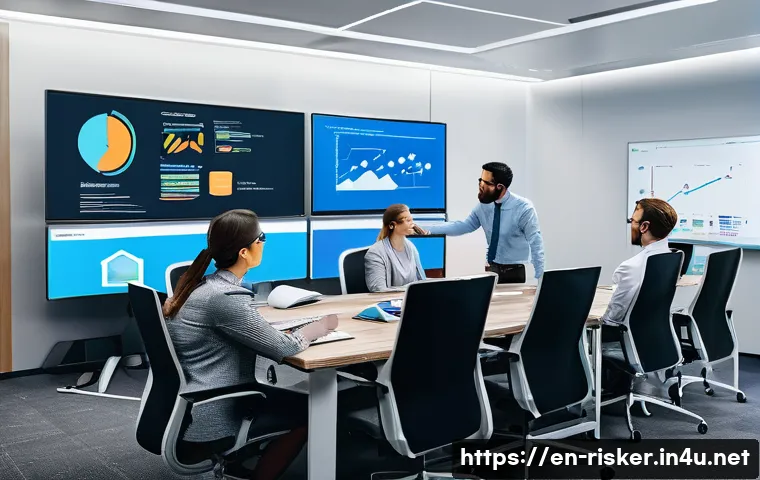
From essential documentation to technology aids, each item plays a unique role in shaping your learning experience. I’ve found that a well-organized setup not only boosts confidence but also sharpens decision-making during simulations.
Let’s dive into the key supplies that will set you up for success and make your risk management practice truly effective. We’ll explore everything you need in detail below!
Building a Solid Foundation with Core Reading Materials
Textbooks and Industry Guides
When diving into risk management, having access to well-regarded textbooks and industry-specific guides is a game changer. These resources often break down complex theories into digestible chapters, complete with real-world case studies.
From foundational principles to advanced techniques, a good textbook acts as both a roadmap and a reference manual. Personally, I always keep a couple of these books handy to revisit tricky concepts or explore new methodologies that I might not encounter daily.
The clarity these materials provide helps me stay grounded when applying risk assessment models in practical scenarios.
Regulatory Frameworks and Compliance Documents
Understanding the legal and regulatory environment is crucial for anyone serious about risk management. These documents offer insights into compliance requirements and risk mitigation strategies mandated by governing bodies.
I’ve found that reviewing updated compliance guidelines not only enhances my knowledge but also prepares me for audits and evaluations. It’s like having a checklist that ensures your risk strategies align with current standards, which can save a lot of headaches down the line.
Case Studies and White Papers
Nothing beats learning from actual incidents and expert analyses. Case studies and white papers provide detailed accounts of how organizations have faced risks, what strategies they employed, and the outcomes they experienced.
I often use these to sharpen my critical thinking and problem-solving skills, imagining how I would handle similar challenges. The layered insights from these documents help bridge the gap between theory and practice in a way textbooks alone cannot.
Leveraging Technology to Enhance Risk Analysis
Risk Assessment Software
In my experience, risk assessment software tools are indispensable for simulating various scenarios and quantifying potential impacts. These programs come with built-in models that allow you to input variables and instantly see probable outcomes.
What I love about these tools is their ability to handle complex data quickly, saving time and minimizing human error. For example, when preparing for a project, I use software to evaluate financial risks and operational vulnerabilities, which boosts my confidence in decision-making.
Data Visualization Platforms
Visualizing risk data through charts and heat maps transforms abstract numbers into actionable insights. I’ve found that platforms like Tableau or Power BI make it easier to communicate findings to stakeholders who might not be risk management experts.
When presenting risk scenarios, a clear visual can prompt quicker understanding and better collaboration. These tools also support dynamic dashboards, meaning you can update data in real time and see how risks evolve.
Cloud Storage and Collaboration Tools
Keeping all your risk documents and analyses accessible and organized is vital. Cloud services like Google Drive or Microsoft OneDrive allow me to store files securely while sharing them effortlessly with team members.
This setup has made remote collaboration seamless, especially during simulations or group projects. The ability to track document versions and leave comments ensures everyone stays on the same page, which is crucial when managing complex risk assessments.
Organizational Essentials for Effective Practice
Note-taking Systems
A reliable note-taking method, whether digital or analog, is essential for capturing insights during lectures, meetings, or self-study. I personally prefer using apps like Evernote because they sync across devices and support multimedia notes.
Writing down key points, questions, or action items immediately helps solidify learning and provides a quick reference later on. Plus, organizing notes by topic makes reviewing before exams or presentations much smoother.
Checklists and Templates
Pre-made checklists and templates act as practical guides that structure your risk management workflow. I use them to ensure I don’t overlook critical steps, from initial risk identification to mitigation planning.
Templates for risk registers, assessment matrices, and reporting formats streamline documentation and help maintain consistency. This kind of organization reduces stress and allows me to focus more on analysis rather than formatting.
Time Management Tools
Risk management involves juggling multiple tasks and deadlines, so effective time management is key. Using calendars, task managers, or Pomodoro timers helps me allocate focused intervals for studying or project work.
Breaking down large assignments into smaller, manageable chunks has increased my productivity and reduced burnout. It’s amazing how much easier risk simulations become when you’re not racing against the clock.
Essential Accessories That Boost Learning Comfort and Efficiency
Quality Writing Instruments and Stationery
Though it might sound old-school, having reliable pens, highlighters, and notebooks significantly improves my study sessions. Color-coding notes or highlighting critical information makes later review more efficient.
Plus, writing by hand can enhance memory retention. Investing in comfortable stationery reduces distractions and keeps me engaged during long hours of preparation.
Dual Monitors or Large Screens
Working with multiple documents or software simultaneously is much easier with dual monitors or a larger screen setup. I’ve noticed that having ample screen space reduces the constant tab-switching that breaks concentration.
This setup is particularly helpful when comparing datasets, drafting reports, or following along with video tutorials. It’s a simple upgrade that makes a tangible difference in workflow fluidity.
Ergonomic Workspace Setup
An ergonomic chair and desk arrangement might not be directly related to risk management itself, but they are critical for sustained focus and comfort.
I learned the hard way that poor posture leads to fatigue and distractibility. Creating a workspace that supports good ergonomics helps me stay alert and productive during intense study or simulation sessions.
Small adjustments like wrist rests or adjustable lighting also contribute to a better learning environment.
Interactive Learning Resources to Strengthen Application Skills
Simulation Software and Virtual Labs
Engaging with simulation platforms allows me to practice risk management strategies in a controlled, risk-free environment. These tools mimic real-world scenarios where decisions have measurable consequences, offering invaluable hands-on experience.
Using simulations has deepened my understanding of risk dynamics and improved my ability to adapt under pressure.
Online Courses and Webinars
Participating in online courses and live webinars keeps me updated on the latest trends and expert insights. These platforms often provide interactive elements like quizzes, discussion forums, and case studies that reinforce learning.
I’ve found that scheduling regular sessions helps maintain momentum and exposes me to diverse perspectives, which is essential in a field as dynamic as risk management.
Professional Networks and Discussion Groups
Joining communities and discussion groups allows me to exchange ideas, ask questions, and learn from peers’ experiences. These networks often share valuable resources, job opportunities, and industry news.
The social aspect of learning has made risk management feel less isolating and more collaborative, which boosts motivation and broadens my professional horizons.
Key Tools and Their Roles in Risk Management Practice
| Tool | Purpose | My Experience |
|---|---|---|
| Risk Assessment Software | Quantifies and simulates risk scenarios | Streamlines complex data analysis, saving time and reducing errors |
| Data Visualization Platforms | Creates graphical representations of risk data | Enhances communication with stakeholders and facilitates faster decision-making |
| Cloud Storage | Secures and organizes documents for easy access | Enables seamless collaboration and version control |
| Note-taking Apps | Captures and organizes learning materials | Improves retention and provides quick reference during practice |
| Simulation Software | Offers hands-on risk management practice | Develops practical skills in a controlled, real-time environment |
Continuous Improvement Through Feedback and Reflection
Journaling Your Risk Management Experiences
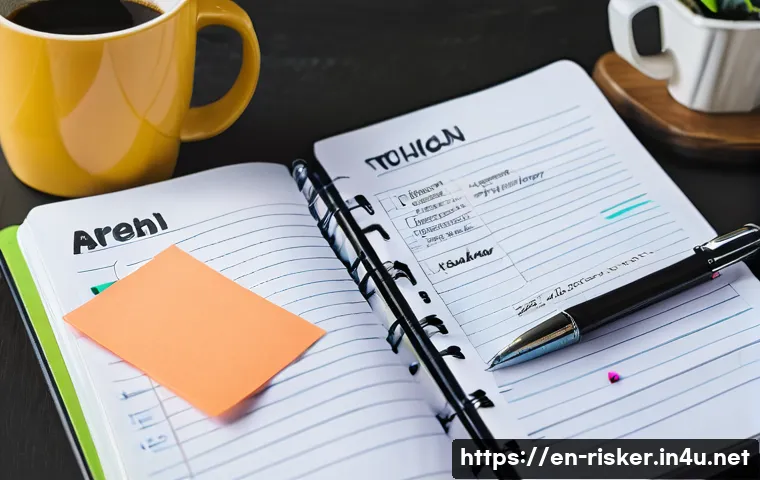
Keeping a journal where I reflect on what worked well and what didn’t during practice sessions has been invaluable. This habit encourages me to think critically about my decision-making processes and identify patterns over time.
Writing down lessons learned also keeps me accountable and motivated to improve continuously.
Seeking Peer and Mentor Feedback
Actively requesting feedback from colleagues or mentors has accelerated my growth tremendously. Others often spot blind spots or offer alternative approaches that I hadn’t considered.
Constructive criticism, when taken positively, fosters deeper insight and enhances my practical skills in risk evaluation and mitigation.
Setting Measurable Learning Goals
Defining clear, achievable goals for each study or simulation session helps me track progress and maintain focus. Whether it’s mastering a particular tool or understanding a new concept, having targets keeps me disciplined.
I regularly review and adjust these goals to stay aligned with my evolving skill set and professional aspirations.
Conclusion
Building a strong foundation in risk management requires a blend of reliable resources, practical tools, and continuous learning. Drawing from textbooks, technology, and real-world experiences enhances both understanding and application. By staying organized and leveraging interactive platforms, you can navigate complex risk scenarios with confidence. Ultimately, consistent reflection and feedback fuel ongoing improvement and professional growth.
Useful Tips to Keep in Mind
1. Regularly update your knowledge by revisiting authoritative textbooks and current regulatory documents to stay aligned with industry standards.
2. Utilize data visualization tools to communicate complex risk information clearly to stakeholders, improving collaboration and decision-making.
3. Incorporate note-taking apps and checklists into your workflow to keep your study materials organized and ensure no critical steps are missed.
4. Set aside dedicated time blocks using time management techniques like the Pomodoro method to enhance focus and reduce burnout during intense study or project work.
5. Engage with professional networks and online courses to broaden your perspective and stay informed about emerging risk management trends.
Key Takeaways for Effective Risk Management
Successful risk management depends on combining theoretical knowledge with hands-on practice using modern tools and technology. Staying organized through structured note-taking and time management is essential for maintaining productivity. Embracing continuous feedback and reflection sharpens your skills and builds confidence in real-world applications. Prioritizing clear communication and collaboration ensures that risk strategies are well understood and effectively implemented. Ultimately, a proactive approach to learning and adaptation is the cornerstone of mastering risk management.
Frequently Asked Questions (FAQ) 📖
Q: What are the most essential tools I should have for effective risk management practice?
A: From my experience, the essentials include a reliable risk assessment template, access to real-time data sources, and software like Excel or specialized risk management tools such as RiskWatch or Palisade’s @RISK.
Don’t overlook basic supplies like a good notebook or digital note-taking app to jot down insights during simulations. These tools help you organize information clearly, making it easier to identify and analyze risks systematically.
Q: How can technology improve my understanding and application of risk management concepts?
A: Technology can be a game changer. When I first started, using simulation software and data analytics platforms helped me visualize risk scenarios rather than just reading about them.
Tools like Monte Carlo simulation models or risk dashboards let you experiment with variables and see potential outcomes in real time, which deepened my understanding far beyond textbook theory.
Plus, many apps provide interactive learning modules that keep you engaged and improve retention.
Q: Is it necessary to have formal documentation when learning risk management, or can I rely on informal notes and resources?
A: While informal notes can supplement your learning, having formal documentation is crucial. I found that standardized documents—like risk registers, mitigation plans, and incident logs—provide a structured framework that makes your practice more professional and effective.
These documents serve as a reference point during exercises and real-world applications, ensuring nothing slips through the cracks. They also help communicate your findings clearly when working with teams or stakeholders.